
Whoa! I know that sounds dramatic. But hear me out. I’d been on the exchange merry-go-round for years. Then one quiet afternoon my gut said: somethin’ ain’t right. My instinct said move your keys off those servers. At first I thought a paper wallet would do. Then I tried a hardware card that fits in a real wallet and everything changed—slowly, then all at once.
I want to talk about cold storage and why a card-based NFC wallet deserves a spot in your everyday carry. I’m biased, sure—I’ve been testing different hardware for a while and I like physical controls. I’m also practical. So this isn’t marketing fluff. It’s field notes: what worked, what annoyed me, and what I still worry about. Okay, so check this out—if you carry crypto and you’re tired of mental math and seed-phrase theater, keep reading.
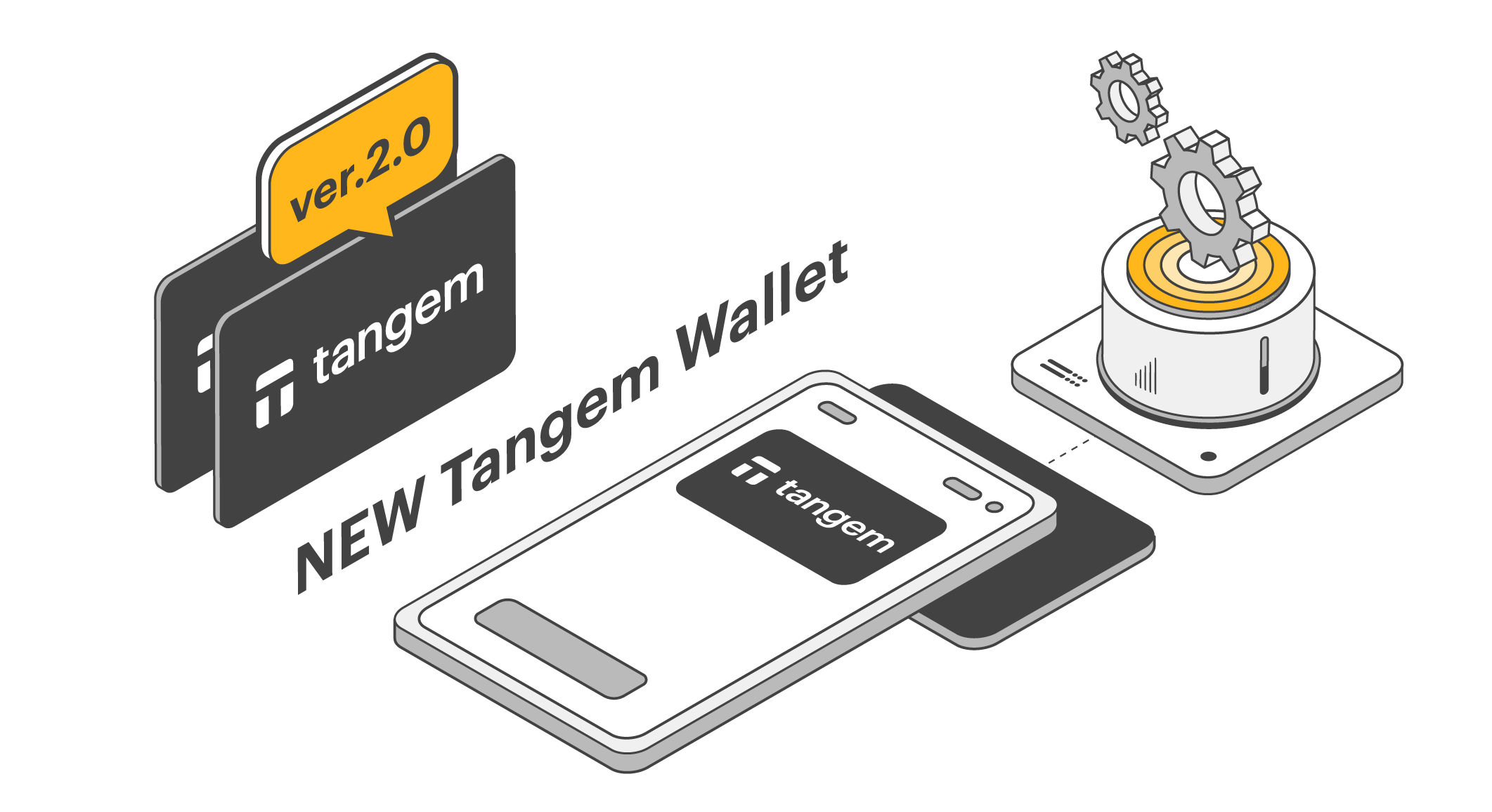
Cold storage means your keys live offline. Period. Short sentence. Simple truth. But the execution varies widely—paper, metal, offline air-gapped computers, and tiny chips embedded in plastic. Each has tradeoffs. Paper is cheap but fragile. Metal can survive a flood or fire but is bulky and often impractical for most people. Air-gapped systems are secure but complicated. Human error eats neat plans for breakfast. I learned that the hard way. My first Ledger recovery phrase? Lost in a move. Yikes. Really?
Here’s the thing. Convenience matters. If a security solution is too inconvenient, you’ll take shortcuts. You will. I did. So the sweet spot for many users is hardware that is secure, passive, and intuitive—something you can treat like a credit card. You tap it. Confirm. Done. No cable. No fuss. That was my aha moment.
Initially I thought all hardware wallets were the same. But actually, wait—let me rephrase that. They share goals but their UX and attack surface differ a lot. On one hand, a screen-plus-buttons device is great for verification. On the other, a card that uses NFC and a phone app reduces friction, which means you’re more likely to use it regularly. Though, actually, there are caveats—like how you protect the card itself and how the app handles backups.
My instinct said: keep it simple, don’t overcomplicate. And yet security pushes you to layer protections. On reflection I landed on a practical middle path: secure hardware with minimal daily friction and a solid recovery plan you can actually execute when life gets messy.
Tap. Approve. Walk away. That sequence is almost meditative. Seriously? Yeah. The tangem-style card I tried (and yes, I used the app for days) uses NFC to communicate with a phone and stores private keys in a secure element on the card. No export. No seed phrase printed in plain text unless you choose specific backup options. My first impression was relief. No tiny screens. No fiddly buttons. But also curiosity—how does this hold up under real user conditions?
Let me describe a routine morning. Coffee. Mail. Phone in hand. I open the app. Tap the card. The app shows a TX preview. I confirm. Done. It’s low friction. It’s fast. It’s also tactile in a way that feels trustworthy. My hands-on test lasted weeks. I stressed it with multiple wallets, moved funds, and even tried the kind of mistakes people make. I lost the card for an hour once and panicked. Not great. But I also had recovery options ready, which is why planning matters.
On one hand, the card removes the single-point-of-failure that is your phone. Though actually, if you pair it loosely and don’t secure the app, you can still be phished. So think of it as defense in depth: card plus app plus good habits. Something felt off about people who treat a single device as invincible. Don’t be that person.
Short point: no system is perfect. Let me be blunt. A hardware card reduces some risks but introduces others. Physical theft is one. Water damage is another—though many cards are ruggedized. There’s also supply chain risk. If the card is compromised before it reaches you, that’s bad. Really bad. My instinct said check serials and buy from trusted channels. Do that.
Also, think about recovery. Some card systems rely on custodial cloud backups if you opt in. Others embrace social or multi-device recovery. Each path changes threat models. Initially I thought «just memorize a seed.» But I have two kids and a mortgage—my brain isn’t a reliable vault. So contingencies like splitting backups into metal shards or using a multi-key recovery strategy are practical. On the flip side, too many backups equals more attack surface. On the one hand convenience; on the other hand risk. You have to balance.
I’ll be honest: the part that bugs me is user complacency. People get comfortable and skip firmware checks. They ignore suspicious behavior. They assume a single tap equals infallible security. That’s not it. Security is a habit. It requires humility and small, repeatable practices.
Okay, actionable stuff. Short checklist first. Verify hardware authenticity. Use an official app. Keep firmware updated. Disable NFC when not using it, if your wallet supports that. Use PINs and optional passphrases for layers. Backup strategically—spread your backups physically and consider metal storage for long-term survival.
Now the nuance. A good tangem-style flow will store keys in a secure element, never allow private key export, and have a transparent recovery option that doesn’t rely solely on the company. Look for open security audits. Check community feedback. On privacy: a lot of apps try to be friendly by collecting heuristics. Opt out. Your ledger should not be a marketing feed. My working assumption: assume data collection, then minimize it.
In practice I preferred an app that shows full transaction previews and contract data. That lets me spot malicious swap approvals. Without that, you could tap a signed transaction that drains tokens. And yes, smart-contract interactions are where most people slip up—especially with tokens that look legit. Be skeptical. Seriously.
Lost card: you must have a recovery plan. If your recovery is a printed seed, put it in a fireproof place. If you use a split backup, make sure your spouse or a trusted person knows how to help. My plan is intentionally simple: two metal backups in separate locations and a digital instruction document encrypted and shared with a lawyer. Overkill? Maybe. Totally worth it to sleep at night.
Phone compromised: if someone phones you demanding codes, hang up. Don’t give away PINs or recovery fragments. Also keep a disposable phone for high-value transactions. I’m not 100% sure that will be practical for everyone, but having one dedicated device for big moves reduces risk.
Updating firmware: do it, but check release notes. If the update requires re-seeding, that sucks. Wait for community confirmation if you’re nervous. I’m cautious by nature—sometimes to a fault—but firmware updates generally patch serious bugs, so balance waits with need.
Yes, you can, but consider your threat model. The tangem approach is great for day-to-day usability and strong against remote attacks because keys never leave the card. However, have a robust recovery strategy. If you want an extra layer, combine the card with a multisig setup or split backups so losing one card doesn’t equal total loss.
NFC itself has limited range, which helps. The security comes from the secure element on the card and the protocol the app uses. Attacks are possible but require proximity and specialized gear, so for most users NFC-based cards provide a pragmatic security improvement versus hot wallets. Still, treat the card like cash or a passport—keep it safe.
Final thought—sort of. My journey from fear to pragmatic trust took time. On one hand, I quit trusting exchanges with idle balances. On the other, I refuse to fetishize complexity. The tangem card style combines a physical security boundary with usability that actually fits into life. I’m not saying it’s perfect. Nothing is. But for a lot of people trying to move away from custodial risk without becoming security researchers, it’s a very reasonable path.
Check one option if you want to explore further: tangem. Try it responsibly. Ask questions. And hey—don’t leave your card in the washing machine. I did that once. Very very annoying…